
Let’s talk about the corporate responsibility towards anti-racism
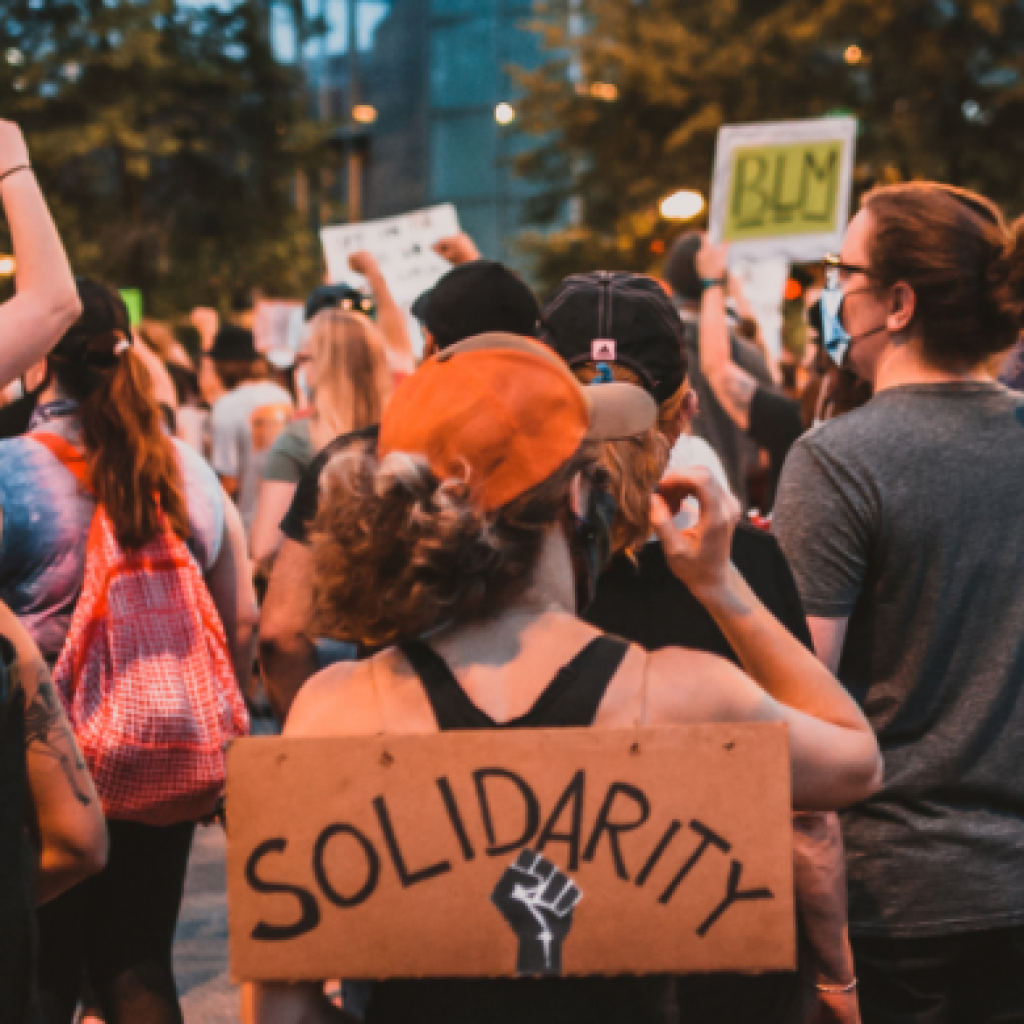
In the year post-2020, how have we furthered anti-racism? How much responsibility and action has actually taken place? How much are companies and corporations working towards anti-racism? Performative allyship is not enough, yet the cognitive dissonance organisations have accumulated has made companies absolve themselves of all moral and human responsibility
Post 2020, where is the representation & progression of Black people in corporations?
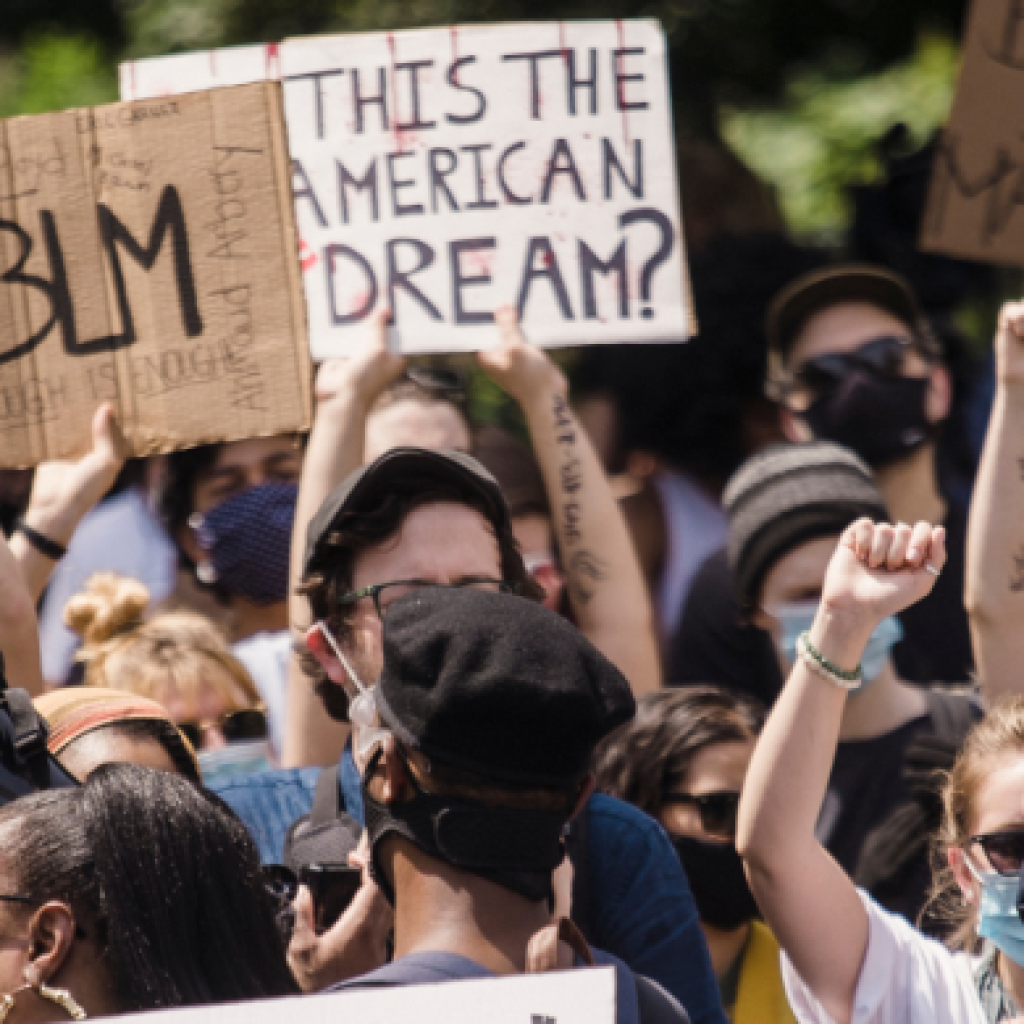
On May 25th, 2020, video footage circulated around the world showing the murder of George Floyd at the hands of the Minneapolis police. Floyd could be heard pleading “I can’t breathe” a total of 28 times. These were the same three words Eric Garner had shouted six years earlier when he was killed by police officers.
The anti-racism journey doesn’t end with training, it just begins there
In recent years, a growing number of organisations have begun to take steps to drive racial inclusion. This process was of course hastened, and its need made more widespread in the wake of George Floyd’s death and protests that followed
Collective Responsibility… in our fight against racism

Racism’s systemic nature means that, as Audre Lorde writes, “we have all been programmed to respond to the human differences between us with fear and loathing to handle those differences in one of three ways: ignore it… copy it if we think it’s dominant or destroy it if we think it is subordinate.” (Audre 2007:115)
Dealing with Impostor Syndrome
“I am not good enough”, “I don’t belong here”, “Soon they will find out that I don’t deserve this”, “My luck is going to run out”, “My abilities have been overestimated” – Have you heard any of these before or ever thought these to yourself? If you have, then you are not alone. More than two-thirds of the world’s population has been estimated to have experienced this at least once in their lifetime (International Journal of Behavioural Science, 2011).
Female soldiers make the military stronger

In recent weeks, the US senate has seen a growing momentum to expand the military draft to include women, especially after Pentagon opened all combat roles to women in 2015.[1] A congressionally authorised commission also backed this change in March last year. The change in terminology to “All Americans” is expected to be considered during a committee markup[2] this week; while the bill is expected to be floored later this year.[3] While in Saudi Arabia, in a first, more than 12 female soldiers have become part of the security services, guarding pilgrims during the Mecca Haj.[4]
Measuring behavioural change – a tough nut to crack?

When organisations try to change their culture, they can sometimes fall short at actually being able to recognise how and when behaviours are changing. The change is difficult to measure and hard to quantify.
At workplaces, humour is serious business
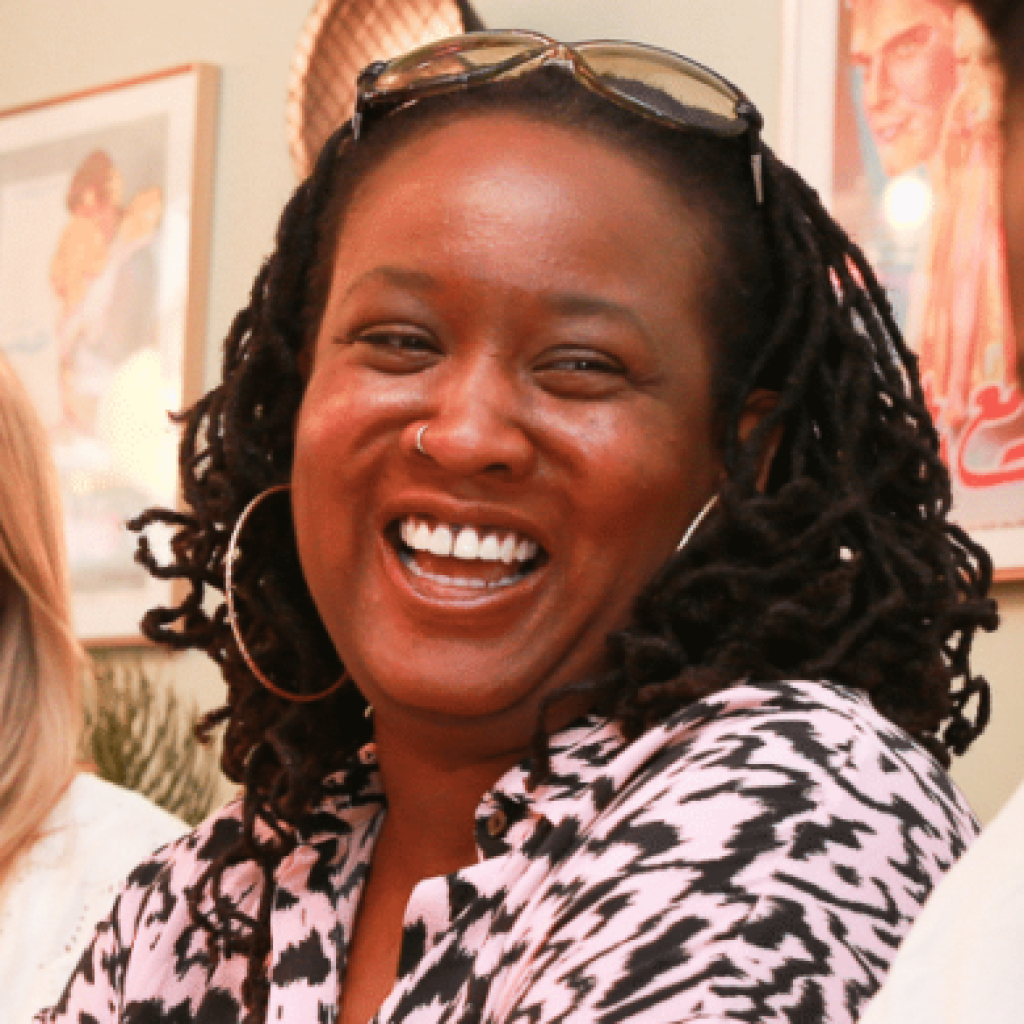
It’s been a really serious and sobering year-and-a-half for all of us collectively. The pandemic and its resultant economic turmoil, socio-political strife, and the constant doom-and-gloom of the media have (understandably) wiped the smiles off a lot of people’s faces
How to best support people returning to work after a break

Statistics reveal that many individuals who take breaks from work often struggle to reintegrate into the workforce seamlessly. Most people associate career breaks with either younger workers taking a gap year or women quitting their jobs to care for their children. However, there are many other reasons why workers take time off, such as parental leave, medical leave, and mental health reasons.
Oops, I made a mistake! Now what?

What happens then when you fall short of what you were accountable for? What happens if, oops, you make a mistake at work? Do you shy away from it, ignore it or pretend that it never happened? Or do you accept it, own it and correct it? Accountability is not only for all the work done correctly but also for the work that is done incorrectly.